
Translation services for UK Clinical Protocols are vital to ensure compliance with robust healthcare regulations, accurately conveying medical terminology and local laws while preserving protocol effectiveness. They facilitate global best practices integration, enhance patient care, and avoid legal issues by ensuring precise communication, cultural sensitivity, and adherence to standards. Advanced technologies like AI further revolutionize this process, offering accuracy, consistency, and personalized care in a diverse UK healthcare landscape.
“In the dynamic landscape of healthcare, ensuring compliance with stringent UK regulations while maintaining protocol integrity is paramount. This article explores the critical role of professional translation services in navigating complex medical terminology and cultural nuances within clinical protocols. We delve into the challenges of accurate translation, emphasizing cultural sensitivity and best practices for seamless integration. Additionally, we examine how technology, particularly AI, is revolutionizing medical translation, enhancing efficiency, and setting new standards for UK healthcare protocol compliance.”
- Understanding UK Healthcare Regulations and Clinical Protocols
- The Role of Professional Medical Translation Services
- Challenges in Translating Clinical Protocols Accurately
- Ensuring Cultural Sensitivity in Healthcare Communication
- Best Practices for Seamless Protocol Translation Integration
- Technology's Impact on Efficient Medical Translation
- Quality Assurance Checks: Validating Translated Protocols
- Training and Expertise: Key to Accurate Clinical Translations
- Future Trends: AI in UK Healthcare Protocol Compliance
Understanding UK Healthcare Regulations and Clinical Protocols

The UK healthcare system operates within a stringent regulatory framework designed to ensure patient safety and high-quality care. Understanding these regulations is paramount when implementing clinical protocols, especially for international healthcare providers looking to offer their services in this market. Clinical protocols, often complex and detailed, must be meticulously translated to meet local standards without compromising medical accuracy or effectiveness.
Translation services play a crucial role here, offering expertise in both medical terminology and UK regulatory requirements. Accurate translation ensures that clinical protocols are adapted for local practices while adhering to stringent healthcare regulations. This seamless integration facilitates the adoption of best practices from around the world, enhancing the overall quality of patient care within the UK healthcare system.
The Role of Professional Medical Translation Services
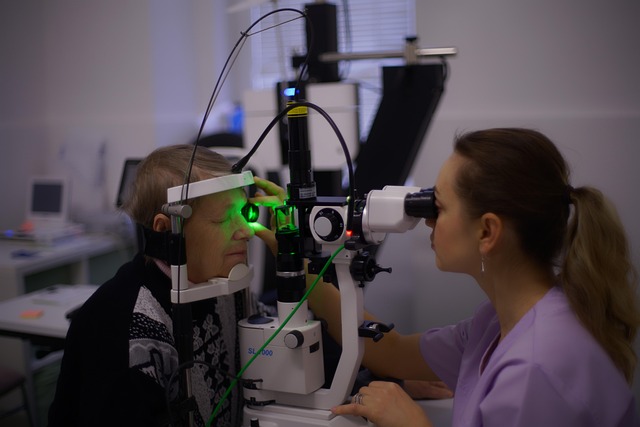
In ensuring seamless compliance with UK healthcare regulations, professional medical translation services play a pivotal role. These specialized services are crucial for accurately translating clinical protocols from one language to another, maintaining critical procedural integrity and consistency. With precise translations, healthcare providers can confidently implement UK-specific guidelines, thereby facilitating effective patient care and avoiding potential legal pitfalls.
Translation services tailored for UK clinical protocols offer more than just word-for-word interpretations. They involve medical experts who grasp the nuances of both source and target languages. This ensures that technical terminology is accurately conveyed, preserving the original meaning and intent behind each protocol. Such meticulous translation aids in creating a unified healthcare framework across diverse language backgrounds, fostering equitable access to quality care within the UK.
Challenges in Translating Clinical Protocols Accurately

Translating clinical protocols accurately for seamless UK healthcare compliance presents several unique challenges. One of the primary hurdles is navigating the intricate terminology and nuanced regulatory requirements specific to the UK healthcare sector. Clinical protocols, often complex and detailed, demand precise translation to ensure consistent and effective communication across diverse healthcare settings. Misinterpretation or mistranslation can lead to misaligned patient care standards, legal non-compliance, and potential risks to patient safety.
Moreover, cultural differences play a significant role in the translation process. Health systems vary globally, and what constitutes standard practice in one country might differ substantially from another. Professional translations must bridge these gaps while adhering strictly to UK guidelines and best practices. Therefore, relying on expert translators with specific healthcare and legal qualifications is essential for delivering high-quality, reliable translation services tailored to the unique needs of UK clinical protocols.
Ensuring Cultural Sensitivity in Healthcare Communication

Effective communication is the cornerstone of quality healthcare, and this involves more than just linguistic translation. When translating clinical protocols for use in the UK healthcare system, it’s crucial to prioritise cultural sensitivity. Healthcare professionals must be able to convey complex medical information in a way that resonates with patients from diverse backgrounds. This includes understanding and incorporating cultural nuances into communication, ensuring that instructions, consent forms, and educational materials are accessible and understandable for all.
Translation services for UK clinical protocols should go beyond word-for-word renditions. They must involve culturally competent translators who can capture the essence of medical procedures while respecting different cultural perspectives. This approach fosters a seamless transition for healthcare providers and patients alike, ensuring that cultural barriers do not hinder access to or understanding of essential medical information.
Best Practices for Seamless Protocol Translation Integration
To ensure seamless integration and compliance with UK healthcare regulations, best practices for translating clinical protocols should focus on accuracy, consistency, and context. Utilizing specialized translation services tailored to the medical domain is essential, as these professionals have the expertise to navigate complex terminology and cultural nuances. Advanced tools like machine translation can aid in speed and efficiency, but human reviewers are crucial to maintain precision and capture subtle implications.
Consistency in formatting and style across translated protocols is vital for clarity. Incorporating feedback from medical experts throughout the process guarantees that the translations align with best practices and clinical reality. Regular updates and reviews ensure these protocols remain current with evolving healthcare standards, facilitating smooth operations within the UK’s dynamic healthcare system.
Technology's Impact on Efficient Medical Translation

Technology has revolutionized the landscape of medical translation, particularly in the context of UK healthcare compliance. Advanced tools and platforms now enable seamless communication between diverse medical professionals, breaking down language barriers that once hindered progress. Translation services for UK clinical protocols have become more efficient, accurate, and accessible than ever before.
Automation and machine learning algorithms play a pivotal role in this transformation. They can quickly process vast amounts of medical data, ensuring precise translations while maintaining the integrity of critical information. Moreover, these technologies allow for real-time updates and revisions, keeping clinical protocols aligned with the latest medical advancements and regulatory changes. This not only streamlines the translation process but also guarantees that healthcare providers across the UK have access to up-to-date, compliant resources, ultimately enhancing patient care and outcomes.
Quality Assurance Checks: Validating Translated Protocols
Ensuring the accuracy and quality of translated clinical protocols is paramount in the UK healthcare sector, where compliance with stringent regulations is non-negotiable. Translation services play a critical role here, as they must not only convey the meaning but also maintain the integrity of the original document. This involves rigorous Quality Assurance (QA) checks to validate the translated protocols.
The QA process typically includes multiple rounds of review by expert linguists and medical professionals who scrutinize the translation for conceptual, terminological, and cultural accuracy. They verify that the translated text aligns perfectly with the source protocol, ensuring no information is added or omitted. This meticulous approach guarantees that healthcare providers across the UK can rely on the translated protocols, fostering a seamless patient care experience while adhering to regulatory standards.
Training and Expertise: Key to Accurate Clinical Translations
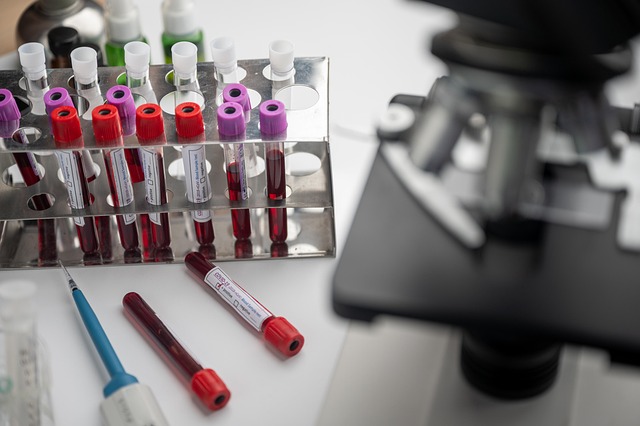
In the realm of healthcare, where precision and accuracy are paramount, translating clinical protocols is no mere administrative task. It demands a deep understanding of medical terminology, regulatory requirements, and cultural nuances. This is where professional translation services for UK clinical protocols step in as a game-changer. Expert translators, armed with specialized medical training, play a pivotal role in ensuring that every term and instruction is conveyed accurately across languages.
Their expertise isn’t merely linguistic; it involves a keen grasp of healthcare practices and standards in both the source and target countries. This enables them to navigate complex regulatory landscapes, maintain clinical integrity, and foster seamless patient care. In today’s globalized healthcare landscape, where UK medical institutions often collaborate with international partners, having reliable translation services is not just an option—it’s a necessity for effective communication and compliance.
Future Trends: AI in UK Healthcare Protocol Compliance
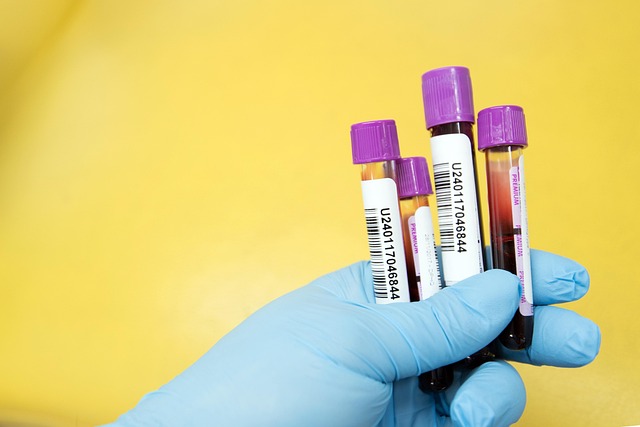
The future of healthcare compliance in the UK is set to be transformed by Artificial Intelligence (AI). As AI technologies continue to advance, their application in medical protocol interpretation and enforcement holds immense potential. Translation services for UK clinical protocols can leverage AI to automate and streamline processes, ensuring precision and consistency in understanding complex guidelines. By using machine learning algorithms, these systems can adapt and evolve with changing healthcare regulations, making compliance more efficient and effective.
AI-driven tools can analyse vast amounts of medical data, including protocol updates and research findings, enabling quick identification of relevant information. This capability is particularly valuable in the UK’s diverse healthcare landscape, where multiple stakeholders must adhere to evolving standards. AI can also facilitate personalized patient care by assisting healthcare professionals in interpreting individualised treatment plans, thereby improving overall compliance and patient outcomes.
The translation of clinical protocols is a vital step towards ensuring uniform healthcare standards across diverse linguistic settings within the UK. By leveraging professional medical translation services, healthcare providers can navigate complex regulatory landscapes and cultural nuances effectively. Through best practices, quality assurance, and embracing technology like AI, these processes become more seamless, ultimately enhancing patient care and safety in the UK’s dynamic healthcare environment. Translation services for UK clinical protocols play a pivotal role in fostering a cohesive and responsive healthcare system that meets the needs of all its citizens.